When you hit play on a movie or series, the streaming player does a lot more than simply “show a video.” It coordinates downloads, decoding, buffering, subtitle rendering, and adaptive quality so the content starts quickly and keeps playing smoothly. If you have ever wondered why playback sometimes buffers, why subtitles appear instantly, or how the quality changes during an episode, you are thinking about the exact mechanisms this article breaks down.
In this supporting guide, myasiantv takes the complex parts of streaming and explains how the player works in plain language. You will learn how the playback pipeline functions, what buffering really means, and how the player chooses the best quality level for your connection while still supporting movies and series reliably.
The Streaming Player’s Job: From Click to Video Frames
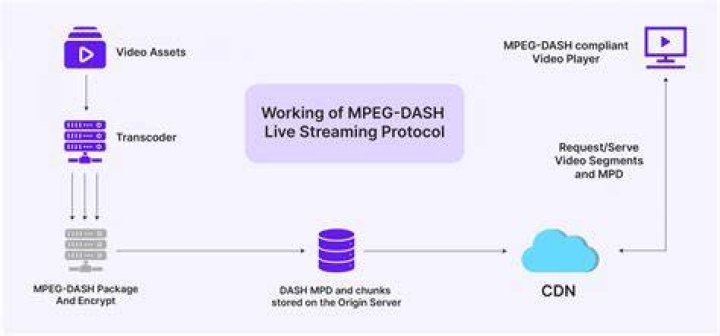
A streaming player turns a “play” request into timed video frames that match what the viewer expects to see. Under the hood, it begins by contacting a streaming server or CDN and receiving a playback manifest (often called an HLS or DASH manifest). That manifest describes which media segments exist, their durations, and the available quality levels.
Next, the player selects an initial starting quality. It does this based on your network conditions, device capabilities, and current buffer status. Then it downloads the first segment(s), decodes them, and schedules them for playback using timestamps so audio and video stay synchronized.
Why the Manifest Matters for Movies and Series
Movies and series are long-form content, which means the player cannot download everything at once in typical consumer streaming setups. Instead, it relies on segmented delivery. The manifest tells the player where each segment lives, how long it lasts, and which codec/bitrate combinations are available for that segment.
Because the player can request segments progressively, it supports fast starts. It also supports mid-stream adjustments without restarting from the beginning, which is important for long episodes.
Segmentation and Adaptive Bitrate: The Core Playback Engine
The most important concept in how streaming players work is segmentation paired with adaptive bitrate (ABR). Rather than pulling one giant file, the player requests small time-based chunks. Each chunk exists in multiple quality versions, typically ranging from lower bitrate for weaker connections to higher bitrate for stronger connections.
As playback continues, the player constantly measures network throughput and buffer health. If your connection improves, it may switch to a higher quality for sharper detail. If your connection drops, it may reduce bitrate to prevent rebuffering. This decision loop runs continuously because network conditions fluctuate naturally throughout a viewing session.
How Quality Switching Feels Seamless (When It Works)
For viewers, quality switching should be nearly invisible. The player aims to switch at boundaries that align with segment timelines. Because segments represent fixed playback intervals, the player can swap to a different bitrate version that covers the next time window without breaking the timeline.
When a switch is done smoothly, you see a consistent playback experience. When it is not—especially on unstable networks—you may notice brief stalls while the player waits for a segment that matches its chosen quality strategy.
Buffering Explained: What the Player Stores and Why
Buffering is not simply “loading ahead.” It is a controlled strategy to keep playback ahead of the download pipeline. The player downloads segments into a buffer so that playback has material to decode and render even when network conditions briefly degrade.
Buffer size is a balancing act. Download too little and playback becomes fragile. Download too much and you waste time, which can delay the start of the video. Good players tune buffering behavior to reduce stalls while still keeping initial playback fast.
Common Buffering Triggers During Series Playback
During series viewing, buffering issues often come from changes between episodes, background network usage, Wi‑Fi interference, or device thermal throttling that affects decode speed. Even if the internet download rate remains stable, decode performance can become a bottleneck on older devices.
Another frequent cause is a mismatch between codec support and the encoding used by a specific quality level. If the chosen format is not efficiently supported, playback may lag and force the player to rebuffer more often.

Codecs, Decode, and Rendering: Turning Compressed Data Into Picture
Streaming media is compressed to reduce bandwidth. The player must decode that compressed content into raw frames for the device to render. Codecs define how video and audio are encoded—commonly formats like H.264 or H.265 for video and AAC or Opus for audio, depending on the stream.
After decoding, the player synchronizes audio and video based on timestamps. This is where smooth lip-sync and consistent motion come from. If timestamps drift or decode falls behind, viewers experience stutter, audio issues, or repeated buffering.
Device Capability Affects Playback Quality
Two devices can receive the same stream and behave differently. One device may decode high-efficiency video formats easily, while another may struggle, leading the player to prefer lower quality variants. That is why adaptive bitrate often includes device-awareness, not just network-awareness.
For movies and series, this matters because long playback sessions stress the system over time. If the device cannot sustain decoding performance, quality may downgrade to maintain uninterrupted playback.
Subtitles, Captions, and Tracks: How Text Keeps Up
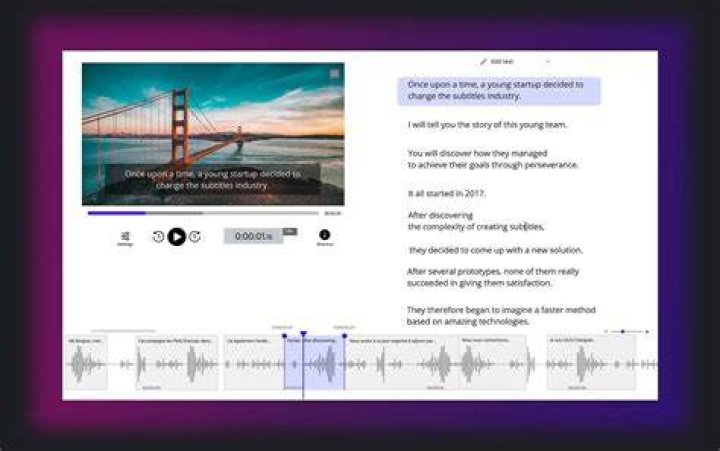
Movies and series frequently include subtitles and captions, especially for multi-language audiences. Streaming players handle these through text tracks that are delivered alongside media. Depending on the streaming setup, subtitles may be in formats such as WebVTT or TTML, or embedded in playlists with timed cues.
The player loads the text track metadata, then renders subtitle cues at the correct timestamps. This timing is crucial: even a small drift can make captions appear early or late, which reduces comprehension.
Language Selection and Track Switching
Track switching typically works without restarting playback. When you change subtitle language, the player requests the relevant track (if not already available) and applies it starting from the current playback time. The goal is instant or near-instant responsiveness with consistent timing.
If a viewer changes tracks frequently, the player must manage multiple text resources efficiently. The best experiences minimize delay by caching nearby cues and maintaining synchronization with the playback timeline.
Seeking in Movies and Series: Why Jumping Can Take a Moment
Seeking is when you drag the progress bar to jump forward or backward. It is harder than it sounds because the player must map a target playback time to the correct segment(s) and timestamp offsets. Once it locates the correct media boundaries, it begins downloading and decoding from there.
If your stream uses well-structured segment timing, seeking feels quick. If segments are larger or keyframes are sparse, the player may need additional data to decode the exact target moment, which can add a brief pause.
Keyframes, Segments, and “Closest Decode Point”
Video decoding often depends on keyframes (intra-coded frames) to reconstruct the frames that follow. When you seek, the player may jump to the nearest keyframe before your selected time and then fast-forward internally until it reaches your requested timestamp. This approach avoids heavy computation and ensures reliable decoding.
That is why seeking backward or to a random point may sometimes feel slightly slower. It is not usually a “failure,” but a result of the decoding model and segment structure used for the stream.
Why Quality Can Change Mid-Episode: The Player’s Ongoing Decision Loop
Adaptive streaming is reactive by design. As your network changes—like when someone in your household starts a large download or your Wi‑Fi signal weakens—the player responds by changing bitrates for the next segments. The objective is to maintain continuous playback rather than hold a single fixed quality level.
During a long episode, the player has more time to learn your network behavior. It can also recover from temporary issues by requesting better quality segments once the buffer and throughput look healthy again.
The Role of Throughput Estimation
Most streaming players do not simply “measure speed once.” They estimate available throughput by tracking how long segment downloads take compared to their size. Then they choose the highest quality level that the current estimate suggests can be delivered in time.
This approach reduces the chance of buffering loops. However, it can still lead to rapid quality changes if network conditions are highly unstable.
Security and Playback Rights: How the Stream Stays Protected
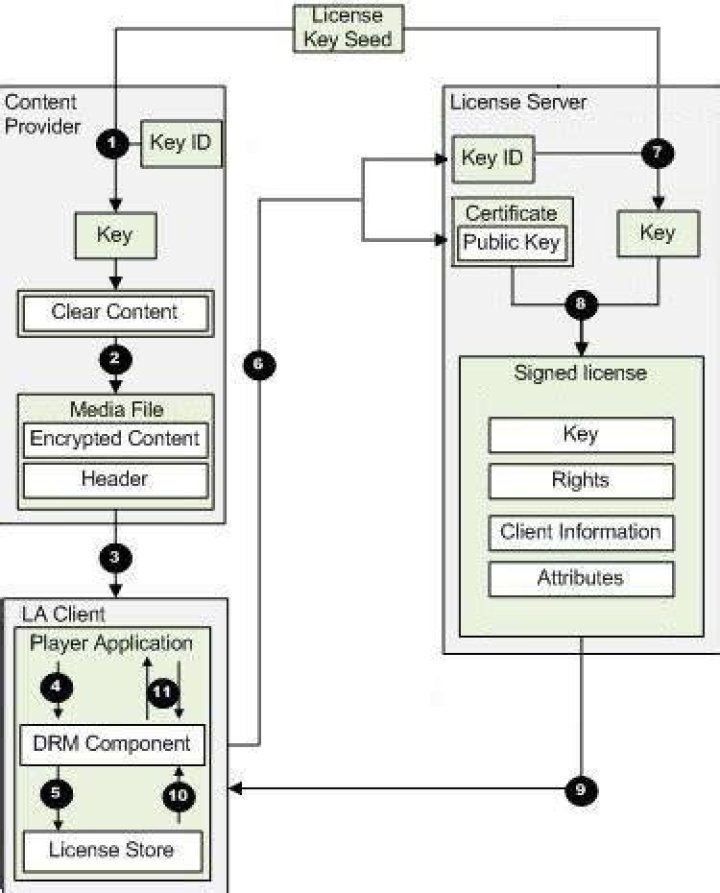
Many streaming services protect content with digital rights management (DRM). The streaming player communicates with a license server to obtain decryption keys, enabling playback of protected segments. This process happens before or during playback depending on the DRM model used by the service.
For viewers, DRM usually stays invisible. But if licenses expire or cannot be renewed due to connectivity issues, playback can fail even though segments are accessible. For series playback, the system must manage license validity for longer sessions.
Fairness Between Protection and Performance
DRM is designed to protect the video while still allowing efficient segment downloading. The player must balance security checks with real-time playback demands. If the device is underpowered or network connectivity is poor, DRM-related steps can add overhead, increasing the chance of visible playback disruptions.
When the system is tuned correctly, the viewer experiences stable playback without needing to understand the license workflow.
myasiantv and the Streaming Experience: What the Player Optimizes For
Different viewers care about different things: quick start, consistent quality, responsive controls, or reliable subtitles. A strong streaming player aims to optimize across these goals instead of focusing on just one. In practice, that means smart ABR selection, buffer management, efficient decoding, and careful timing for captions and seeking.
For people watching movies and series through myasiantv, the practical outcome should feel straightforward: you press play, the content begins, controls respond when you scrub, and subtitle tracks remain aligned. The “how” is powered by the same core streaming principles discussed above: manifests, segmented delivery, adaptive bitrate, and synchronized rendering.
What to Expect If Your Playback Feels Off
If you experience frequent stutters, the player may be downshifting quality too late or decoding may be struggling on your device. If subtitles lag, track timing and cue rendering may be falling out of sync, especially during network interruptions. If seeking takes longer than expected, segment keyframe spacing and buffer state likely influence the delay.
Understanding these mechanisms makes troubleshooting easier. Instead of guessing, you can identify whether the issue is tied to download throughput, decode performance, or track synchronization.
Final Thoughts
The streaming player is a real-time system that coordinates network requests, segment downloads, decoding, buffering, subtitles, and DRM workflows into a single smooth viewing experience. Once you understand manifests, adaptive bitrate, and timed rendering, most “mysteries” of movie and series playback become predictable.
When you choose a platform like myasiantv, you benefit from that orchestration working toward the same goal: keep playback stable while adapting to your connection and device. That is the heart of how streaming players make movies and series feel effortless.
