Streaming should feel effortless, not risky. When you watch shows, browse links, or sign in on new devices, you can accidentally expose your personal data to trackers, phishing scams, or insecure connections. This guide focuses on one practical goal: how to stay safe while streaming online—especially when you use services like fboxtv.
You will not need to become a cybersecurity expert to reduce your risk. Instead, you can follow a clear set of defensive habits that protect your accounts, limit privacy leakage, and help you spot common threats before they become problems.
Threats You Face While Streaming Online (And Why They Matter)
Most security and privacy issues during streaming fall into a few predictable categories. First, account takeover happens when attackers steal credentials through phishing, reused passwords, or leaked databases. Second, tracking is often the “quiet” risk—advertising networks and analytics can profile viewing habits across websites and apps. Third, malicious links and counterfeit apps can lead you to sites designed to harvest data or install unwanted malware.
Understanding these threats helps you choose the right protection steps. You will also know what “good hygiene” looks like: safer sign-ins, fewer opportunities for interception, and reduced data exposure while you watch.
Use Strong Account Protection Before You Stream
Account security is the foundation of privacy. If someone gains access to your streaming account, they can change settings, view personal information, and potentially reset security controls. The easiest win is to use a unique password that you do not reuse anywhere else.
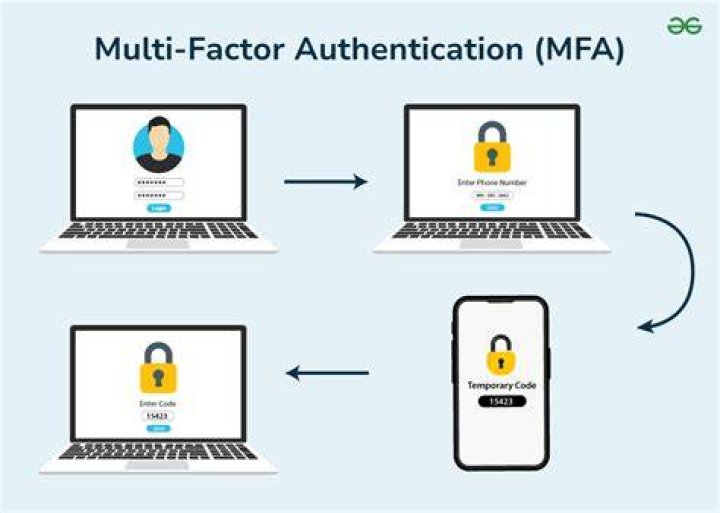
Next, enable multi-factor authentication (MFA) if the service supports it. MFA adds an extra layer that can stop many credential-stuffing attacks. If you are signing into fboxtv or any streaming platform, treat MFA as your default choice, not an optional upgrade.
Practical password habits that reduce risk
Use a password manager to generate and store long, unique passwords. Avoid “creative” substitutions like adding a year at the end—attackers commonly guess those patterns. Also, review your account recovery options so they point to email and phone numbers you actually control.
Spot credential phishing aimed at streamers
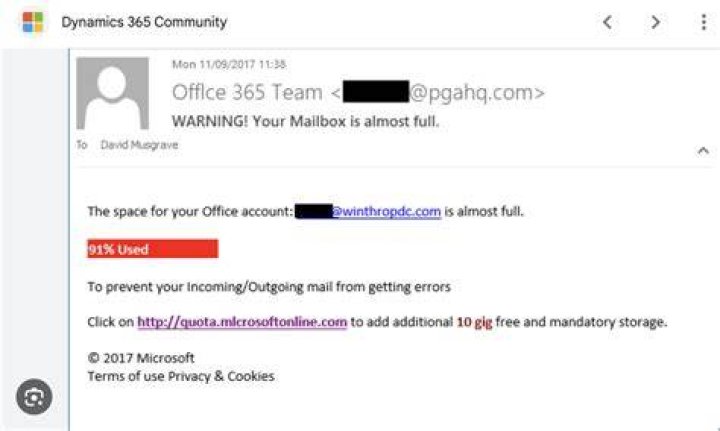
Phishing messages often imitate a login page, claim your account is locked, or ask you to “verify payment.” Instead of clicking inside messages, open a new browser tab and navigate directly to the service website or app store. When in doubt, you can verify whether the request is legitimate by checking your account directly.
Secure Your Connection to Reduce Tracking and Interception
Even if you have strong passwords, your connection still matters. Public Wi‑Fi networks, captive portals, and misconfigured routers can create opportunities for interception or unwanted content manipulation. While you cannot eliminate risk entirely, you can reduce exposure by improving how you connect and how your device handles network traffic.
If you stream from mobile data, you generally reduce some local network risks, but you still need device-level protections. If you use home or public Wi‑Fi, prefer networks you trust and keep your router firmware updated.
When to use a VPN for streaming privacy
A VPN can help hide your IP address from the sites you visit and can reduce some forms of network-based observation. However, a VPN is not a magic shield. Some services may restrict VPN usage, and some VPNs can log traffic if they are not trustworthy.
If you decide to use a VPN, choose one with a strong privacy policy, reputable security practices, and transparent operations. Then test playback reliability so you do not switch services mid-stream and accidentally expose your data through inconsistent settings.
Prevent App and Link Scams That Target Streamers
One of the most common ways streaming users get into trouble is through fake apps, browser extensions, or “free premium” links. These scams often look convincing: branded interfaces, urgent warnings, and download buttons that lead to sketchy destinations. If you install something risky, it can steal credentials, hijack sessions, or display intrusive ads that make you less in control of your data.
To reduce this risk, download apps from official app stores when possible and avoid third-party downloads that do not clearly verify the source. Also, be cautious with shortened links, especially those received through DMs or social comments.
Limit Privacy Leakage From Devices and Browsers
Privacy is not just about malicious actors. Many trackers collect data for analytics and targeted advertising, and that data can reveal viewing preferences. While you cannot stop every form of tracking, you can significantly reduce unnecessary data sharing by tightening browser and device settings.
Start with your browser privacy controls. Turn on protections that block known trackers, review cookie permissions, and clear or restrict third-party cookies if your browser supports it. Also, review permissions for microphone, location, and notifications—streaming does not need most of those access levels.
Manage cookies and session data responsibly
Cookies can be useful for staying logged in, but they also enable cross-site tracking. Consider using “incognito” or private browsing for sign-in when you are testing new sites, but remember that private browsing does not always eliminate tracking from all sources. For daily use, use cookie controls that limit third-party cookies and keep first-party cookies where the service requires them.
When you share a device or log in on a public TV, always sign out afterward. If possible, use the service’s “log out of all devices” feature when you suspect anything unusual.
Check Streaming Settings That Affect Security and Data Exposure
Most streaming security settings are overlooked because they are not always presented as “security features.” Still, they directly affect safety. For example, you can often manage account devices, review logged-in sessions, and set communication preferences to reduce unwanted messages.
For services like fboxtv, treat the account area as a control center. Look for settings related to password changes, recovery methods, two-factor authentication, device lists, and any visibility options that determine what data is shown publicly within the account.
Review devices and active sessions regularly
Attackers often keep access by maintaining an active session even after your password changes. Regularly review the devices connected to your account and revoke access for anything you do not recognize. This habit is quick, and it helps you catch problems early.
If your streaming profile includes payment methods or subscription details, review those settings too. Even if you are focused on streaming safety, financial information is a common target when credentials are compromised.
Reduce Malware Risk With Safe Operating Practices
Streaming-related malware does not always look like obvious ransomware. Sometimes it is “background” unwanted software, aggressive adware, or browser hijackers that redirect traffic. Once installed, these tools can steal data gradually or degrade performance in a way that distracts you from security issues.
To reduce the chances of infection, keep your operating system and browser updated. Turn on automatic updates if you can, and avoid running unknown files downloaded from pop-ups or sketchy sites.
Install only necessary extensions, then remove the rest
Browser extensions can be helpful, but many users install too many and forget about them. Only keep extensions you truly need, and remove anything that you cannot explain. If an extension requests excessive permissions, especially around reading pages you view, consider it a red flag.
Also, watch for sudden changes in your browser behavior. If you see new toolbars, forced redirects, or unexpected sign-in prompts, stop and investigate before continuing to stream.
Recognize Red Flags That Mean You Should Act Immediately
Even with careful habits, threats can still happen. That is why it helps to know what “act now” looks like. Red flags include repeated login prompts you did not initiate, emails or messages about password changes you did not request, and suspicious devices connected to your account.
If you notice any of these signs while using fboxtv or another streaming service, respond quickly. The goal is to break the attacker’s access path and reduce further data exposure.
A simple incident response checklist for streamers
- Change your password immediately using a unique password that you have not used elsewhere.
- Enable or re-check MFA so the attacker cannot log in without the second factor.
- Revoke unknown sessions and log out of devices you do not recognize.
- Check email security because many attackers start with compromised inboxes.
- Scan for malware if you installed anything suspicious or notice unusual redirects.
How fboxtv Fits Into a Safer Streaming Routine
Streaming security is not only about one platform. It is a routine you apply consistently, from how you sign in to how you manage devices. Using fboxtv can be part of that routine—especially if you already follow strong account protection, cautious browsing behavior, and safe connection practices.
Think of the platform as one layer. Your real protection comes from your choices: unique passwords, MFA, careful link handling, and privacy settings that match your comfort level. When those pieces work together, you reduce the chance that tracking or scams will turn into account problems.
Final Thoughts
Staying safe while streaming online comes down to practical prevention: protect your account, secure your connection, avoid suspicious links and fake apps, and reduce privacy leakage through better browser and device settings. If you make these habits part of your everyday streaming routine, you will feel more in control and less exposed—whether you are using fboxtv or any other service.
Sources [CDC](https://www.cdc.gov/) — one of the leading public health authorities for general safety and guidance concepts that support secure habits [NHS](https://www.nhs.uk/) — health trust source; included for general safety literacy patterns [Google Security Blog](https://blog.google/technology/safety-security/) — security research and consumer protections (not streaming-specific, but relevant to phishing and account safety) [Federal Trade Commission (FTC)](https://www.ftc.gov/) — guidance on scams, phishing, and account protection for consumers [ENISA](https://www.enisa.europa.eu/) — European cybersecurity agency with practical, authoritative privacy and security guidance [Apple Support](https://support.apple.com/) — device safety and privacy controls (relevant to iOS/iPadOS privacy settings) [Microsoft Support](https://support.microsoft.com/) — Windows security and account protection guidance [OWASP](https://owasp.org/) — application security best practices and threat knowledge relevant to common web risks
