Getting better playback starts before you press play. When your stream buffers, looks blurry, or stutters during fast scenes, it’s usually not “the internet” alone—it’s how your streaming quality and player settings are configured. A careful setup helps your device request the right bitrate, chooses the best resolution, and keeps audio in sync.
In this fboxtv setup guide, you’ll learn how to configure streaming quality and player settings for smoother playback across changing network conditions. You’ll also get practical tuning steps so the experience feels consistent whether you’re watching in a living room, on Wi‑Fi, or using a shared connection.
Start With the Playback Goal: Clarity vs. Stability

Before adjusting settings, decide what matters most for your typical viewing. High resolution can look sharper, but it often increases data usage and requires steadier bandwidth. If your connection is variable, prioritizing stability can reduce buffering and make the stream feel smoother even if it isn’t the sharpest.
In most setups, the best choice is a balance: allow the player to select from quality levels rather than forcing one fixed option. That approach works well because networks fluctuate throughout the day, especially in households where other devices are downloading updates or streaming their own video.
When you use fboxtv, treat streaming quality settings as a “playback profile.” The goal is to match that profile to your environment—Wi‑Fi strength, typical bandwidth, and whether other users share the connection.
Choose the Right Streaming Quality Mode
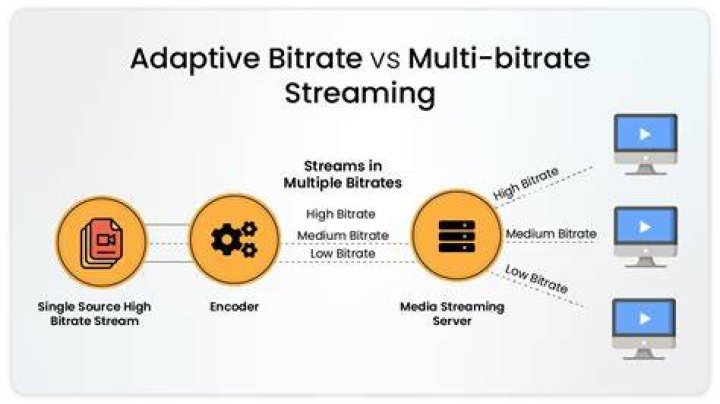
Most streaming players support either fixed quality or adaptive bitrate. Fixed quality tells the player to request a single resolution and bitrate. Adaptive bitrate monitors playback performance and switches quality levels during playback to reduce stalls.
If you frequently see buffering, choose adaptive bitrate (or “auto” quality). It’s designed to prevent playback interruptions by stepping down quality when bandwidth drops. If your connection is consistently strong, you can still benefit from auto quality, but you may cap the maximum resolution to control data usage.
In a fboxtv configuration, start with the broadest stability-first approach: enable adaptive quality, then fine-tune the maximum quality level based on your device and network. This method usually delivers the best real-world result compared to guessing a single “perfect” resolution.
Set Resolution and Bitrate Caps for Your Network
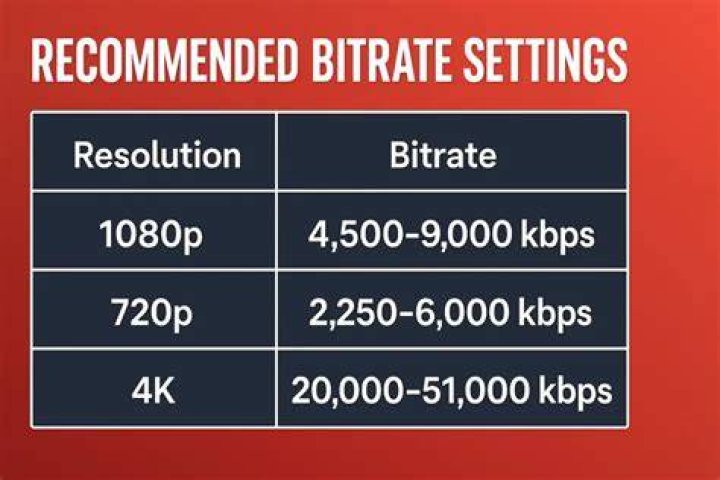
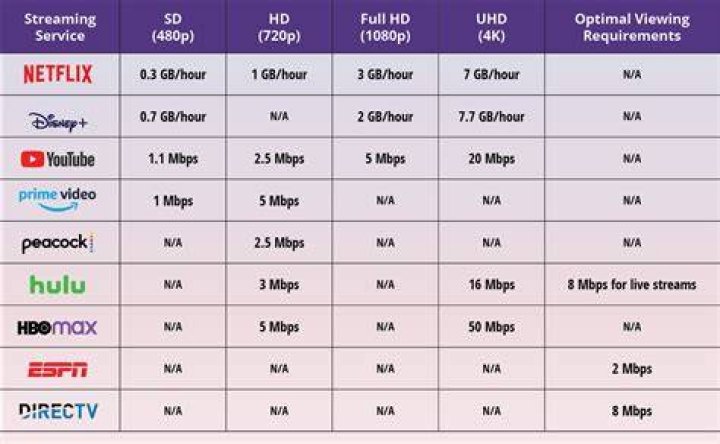
Resolution determines how many pixels the player renders; bitrate determines how much data is needed per second. Higher resolution generally requires higher bitrate to maintain crisp detail, especially on fast motion scenes. If you cap quality too high for your network, the player may repeatedly downshift or struggle to maintain smooth playback.
A practical tuning approach is to set a maximum resolution that your connection can sustain most of the time. For example, if your Wi‑Fi sometimes drops to slower speeds, limiting to 1080p can reduce stalls versus attempting 4K. If you’re on a strong wired connection or stable high-speed Wi‑Fi, you can consider higher caps.
Think of bitrate caps as your “data budget.” If you watch often or share your internet with other households, a conservative cap can protect performance for everyone by avoiding bursts that cause congestion.
Optimize Audio Settings to Avoid Lip-Sync Issues
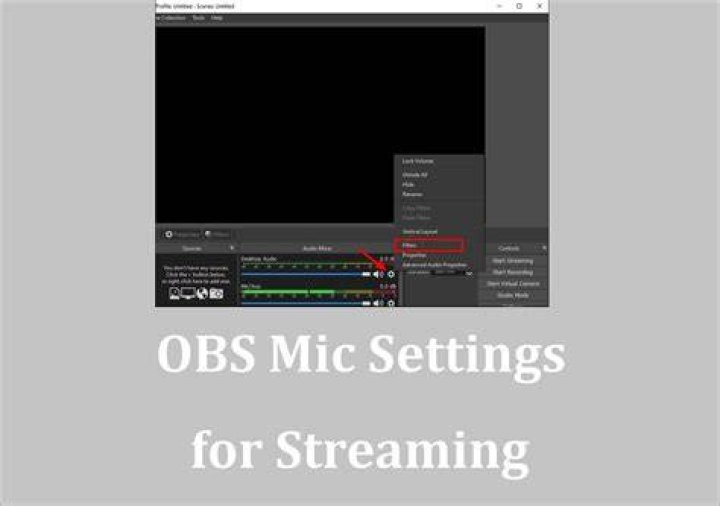
Audio settings can affect perceived quality even when video looks good. If you use a soundbar or receiver, audio output mode matters: passthrough formats can reduce transcoding, while incompatible audio setups can cause delays or the wrong track to play. When audio and video drift, your first instinct may be to blame video, but the underlying issue is often the audio path.
For smoother playback, pick an audio mode that your device and audio hardware support reliably. If you see lip-sync problems, try switching between “auto,” “PCM,” or the most compatible option available for your playback setup. Also check whether your player offers separate choices for audio language, stereo vs surround, or enhanced audio.
In a fboxtv setup, keep audio settings consistent with your TV and audio receiver capabilities. Consistency reduces handshake delays and lowers the chance that the player changes formats mid-stream.
Configure Playback Buffering and Preload Behavior

Buffering is not just a background detail—it’s the mechanism that absorbs short-term network changes. Some players allow you to adjust buffer size or preload behavior, which can reduce pauses at the cost of slightly longer startup time. A larger buffer helps if your connection has brief slowdowns.
If your stream starts but pauses shortly afterward, increasing buffer behavior can help. If your stream takes too long to start, you may want to reduce the buffering aggressiveness. The best setting depends on whether your primary pain point is initial loading or mid-play stalls.
When configuring fboxtv playback, use buffer settings to match your network pattern. Homes with stable Wi‑Fi can usually run leaner buffers, while homes with interference benefit from additional buffering headroom.
Turn On Subtitle, Caption, and Language Options Without Overhead

Subtitles improve accessibility, but they also introduce an extra track for the player to render. Most modern systems handle captions efficiently, yet poorly configured language or track preferences can cause delays in track switching. Setting your default subtitle language reduces the need for frequent changes mid-stream.
Choose a single default subtitle track for everyday viewing, and only switch when needed. If you often watch multilingual content, set your preferred language first and confirm that auto-selection matches your expectations.
In fboxtv, keep caption settings straightforward. The more “frequent track switching” you do, the more likely you are to notice small pauses, especially during fast scenes or on weaker connections.
Adjust Player Display and Motion Rendering Options

Some players offer display-related options that influence how the video is presented. Examples include low-latency modes, motion smoothing, or “match TV refresh rate.” These options can change how the stream appears, and in certain cases they can affect stability on older TVs or limited hardware.
If your priority is a stable viewing experience, start with default rendering options. Then, if you specifically need low-latency (for interactive viewing) or prefer a smoother motion look, change one setting at a time. Changing multiple display options simultaneously makes it harder to identify what fixed the issue—or what introduced it.
For a fboxtv setup, treat display tweaks as a second-stage optimization. Get the core quality and buffering working first, then tune the presentation.
Device-Specific Checks: TV, Streaming Box, and Network Path
Even when you configure perfect player settings, your playback can still be limited by the device path. Wi‑Fi signal strength, router placement, and whether you’re using Ethernet can all impact real throughput. If you’re testing a new quality cap, verify whether the signal changes while you watch.
If possible, connect by Ethernet or improve Wi‑Fi placement. Moving the router closer to the streaming device, reducing interference (like microwaves or crowded 2.4 GHz environments), and switching to a cleaner band can deliver immediate gains. Once the network is consistent, your streaming quality settings can perform as intended.
As a rule, do not chase resolution adjustments while your network is unstable. Instead, stabilize the signal first, then retune streaming caps in fboxtv for the best balance of clarity and smoothness.
Use a Simple Test Routine to Confirm Your Settings
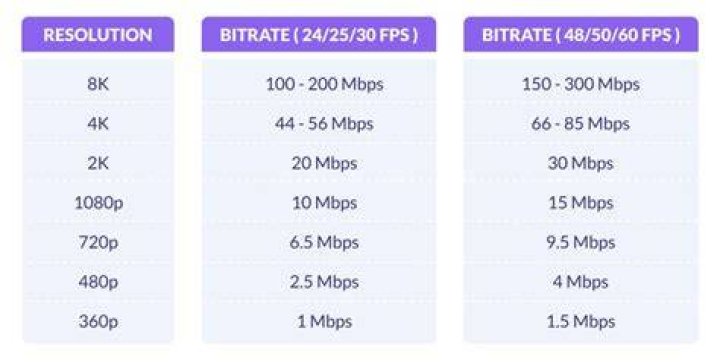
After changing quality and player settings, use a repeatable test routine. Watch a short segment (5–10 minutes) that includes fast motion and complex visuals, because that’s where bitrate demands increase. Then, pay attention to whether the player stutters, whether quality keeps dropping, and whether audio remains aligned.
If playback stutters, reduce your maximum resolution or bitrate cap by one step. If you only notice slight softness but everything plays smoothly, you can safely raise the cap a little—assuming your network holds steady. The point is to find the highest setting your connection can sustain without triggering frequent downshifts.
This routine is especially helpful with adaptive bitrate. It ensures you’re not only checking initial startup, but also how the stream behaves after the buffer has been consumed.
Troubleshooting: What to Change When Playback Isn’t Right
When playback doesn’t meet expectations, start with the symptom. Buffering and repeated pauses usually point to insufficient bandwidth or too-high maximum quality. Blurriness with stable playback suggests the stream is selecting a lower quality track than expected or that the cap is too low for your network.
If you experience frequent quality changes (constant switching), it usually means your maximum cap is too aggressive for your current Wi‑Fi condition. In that case, lower the cap and let adaptive bitrate operate within a narrower range. For audio problems, revisit audio output compatibility and default language or track selection.
With fboxtv, treat settings changes like controlled experiments. Adjust one variable at a time—quality mode, maximum resolution, buffering behavior, or audio mode—then retest to confirm the effect.
How fboxtv Fits Into a Better Setup Workflow
A pillar guide can explain streaming broadly, but a setup guide like this one helps you apply that knowledge to your device and network. fboxtv becomes especially useful when you use it as a consistent “control panel” for your playback preferences—quality mode, resolution limits, and player behavior.
Instead of leaving quality at whatever default the app chooses, you set expectations. You decide the maximum resolution you’re comfortable with, choose a stability-first strategy when the network is variable, and confirm that audio and captions match your hardware and preferences.
When everything is aligned, playback feels predictable: fewer stalls, clearer visuals, and fewer surprises when you start a new episode or jump to a later timestamp.
Final Thoughts
Configuring streaming quality and player settings is one of the highest-impact steps you can take for smoother, clearer playback. Start with an adaptive quality approach, set resolution and bitrate limits that your network can sustain, and then refine audio, captions, and buffering behavior. With a thoughtful fboxtv setup, you’ll spend less time troubleshooting and more time actually watching.
